National Observatory and Agricultural Research Centre Start Cooperation
03.07.25
 Share on the indicated platforms:
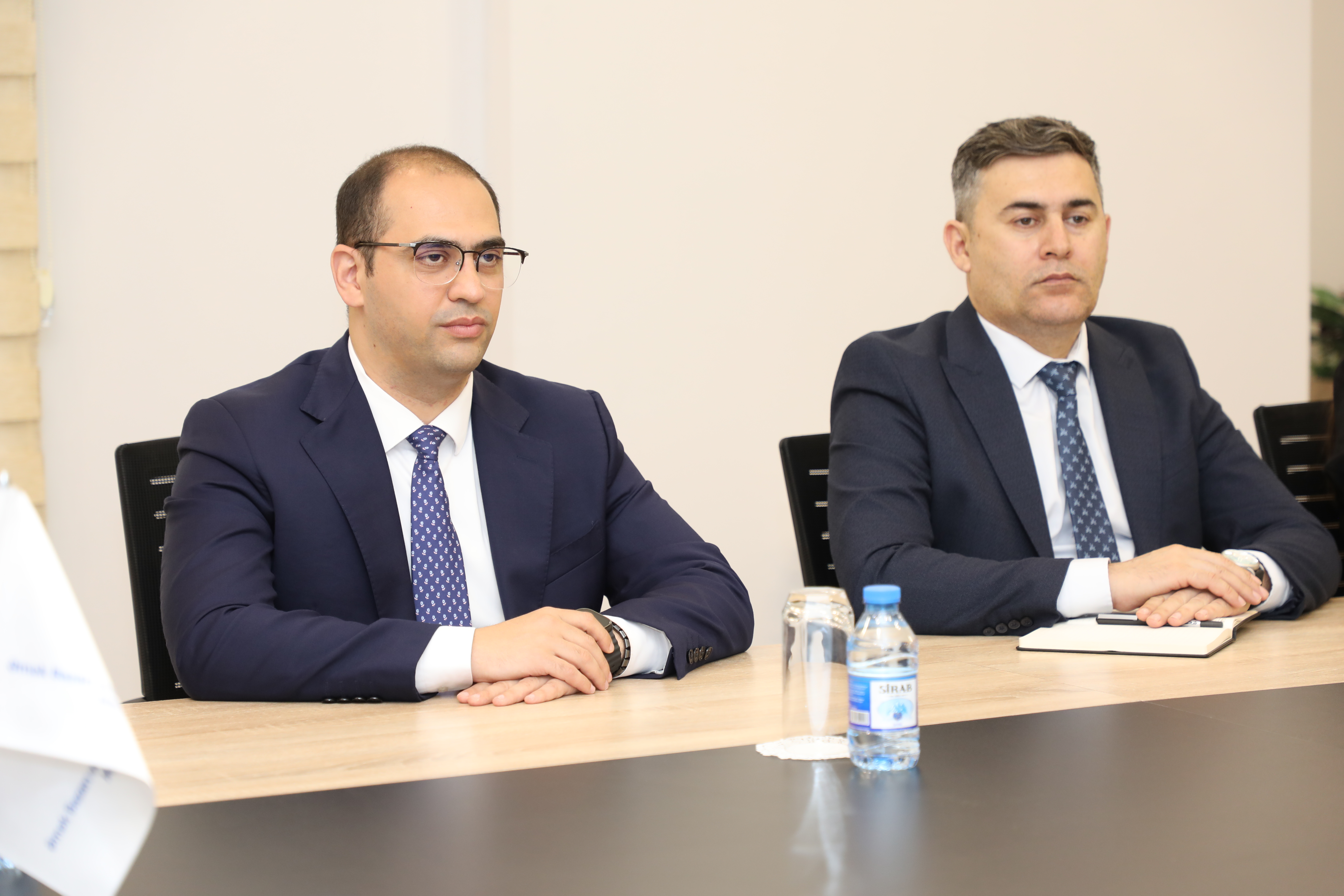
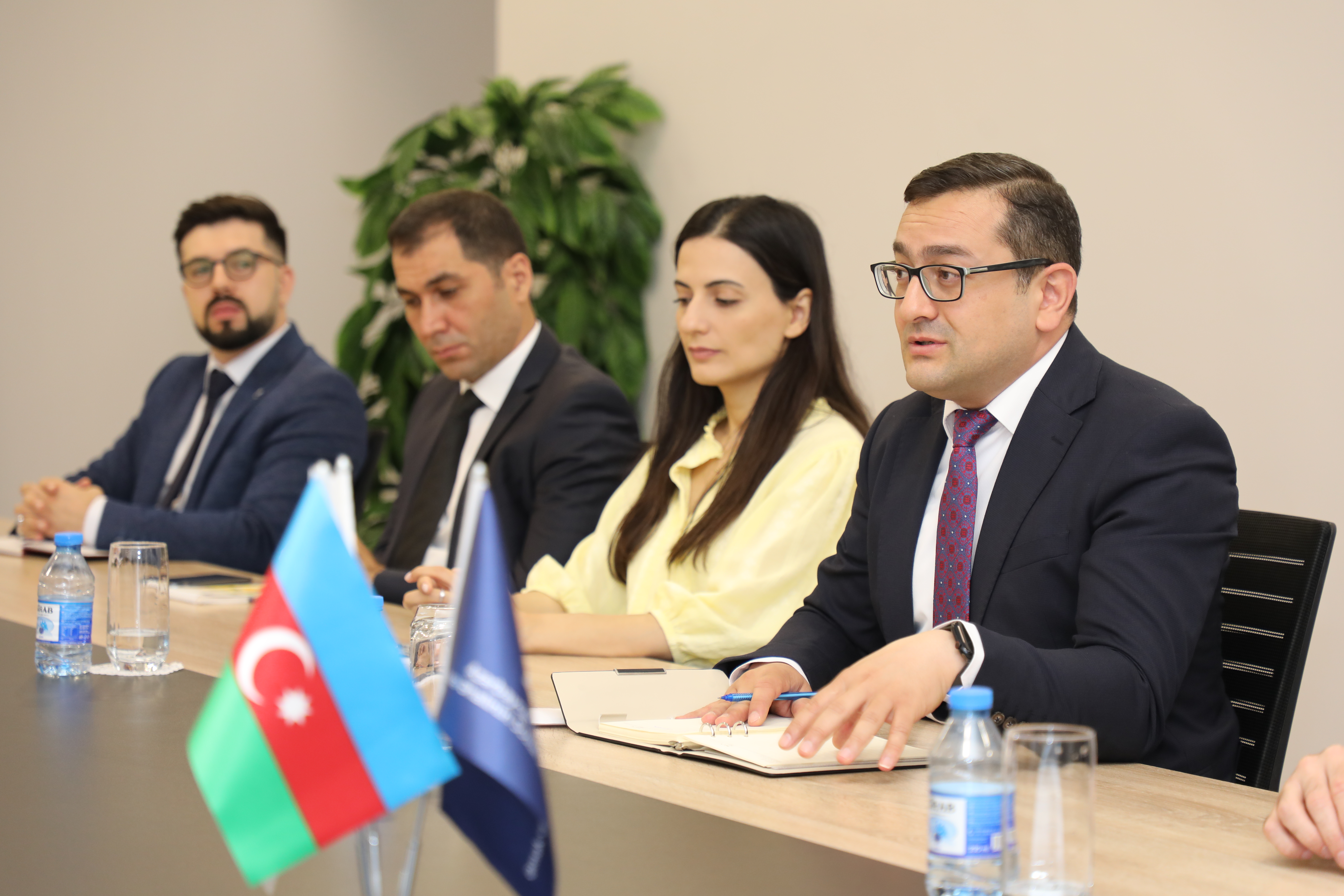
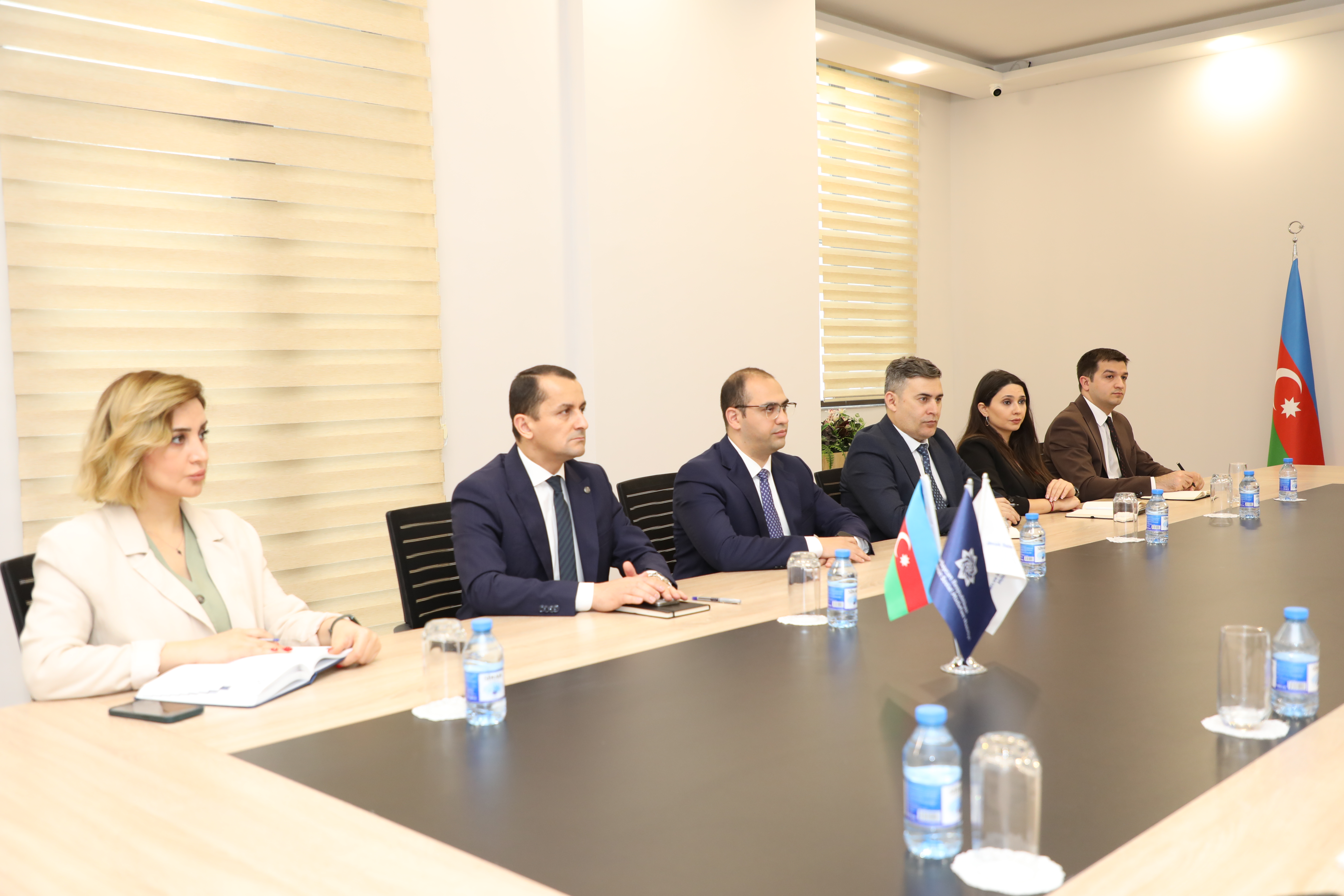
A Memorandum of Understanding on cooperation has been signed between the National Observatory for Labour Market and Social Protection Affairs, under the Ministry of Labour and Social Protection of the Population, and the Agricultural Research Centre, under the Ministry of Agriculture. The document was signed by Elnur Safarli, Chairman of the Board of the National Observatory, and Rashad Huseynov, Director of the Agricultural Research Centre.
At the meeting held at the National Observatory, E. Safarli provided information on the institution’s activities. He noted that the Observatory serves to develop agile approaches in line with labour‑market dynamics, to build social policy on a scientific basis, and to support the state’s employment strategies.
Data on the current status of employment of the economically active population, the identification of strategic employment fields, the vacancy database and the balance of labour resources are analysed, and socio‑economic, technological and institutional factors affecting the labour market are also studied.
R. Huseynov also provided information on the activities of the Agricultural Research Centre. He noted that the Centre operates to provide the scientific substantiation of agrarian policy and to form an analytical base. It was emphasised that the Centre functions as a ‘think tank’ and places importance on both domestic and international scientific and analytical cooperation in this field.
According to the document, the parties will conduct joint research in the agricultural sector on the state of the labour market, employment levels, workforce structure and occupational composition, and will prepare proposals to reduce unemployment and informal employment in rural areas. The social impacts of climate change, technological innovations and economic transformations on the labour market are also included among the joint research topics.
Cooperation is also envisaged in the mutual exchange of statistical data on the agricultural labour market, the integration and harmonisation of databases, and the identification of new professions and skills required in agriculture.