Meeting Held with SMBs under the “DOST Inspector” Project
17.07.25
 Share on the indicated platforms:
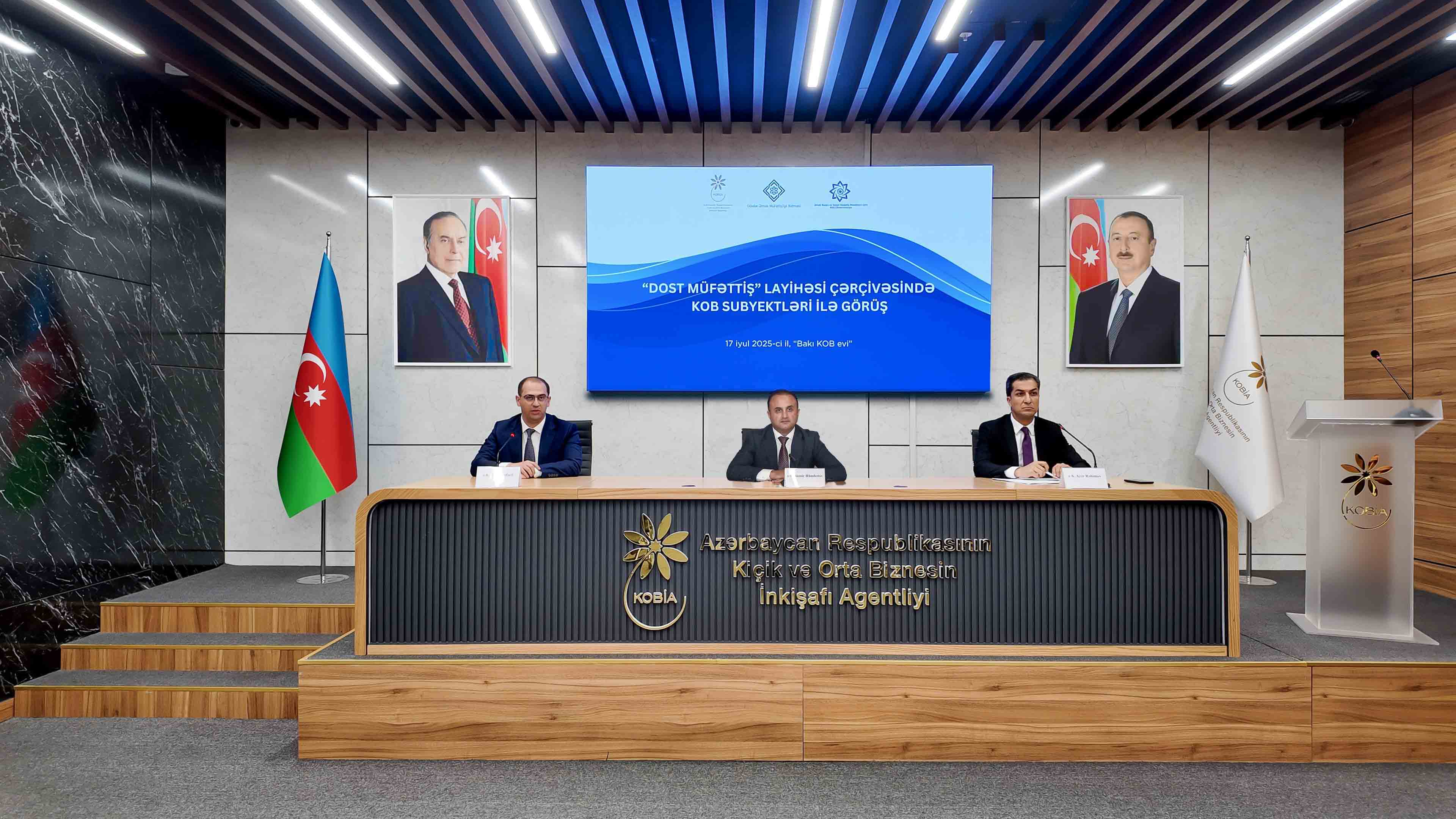
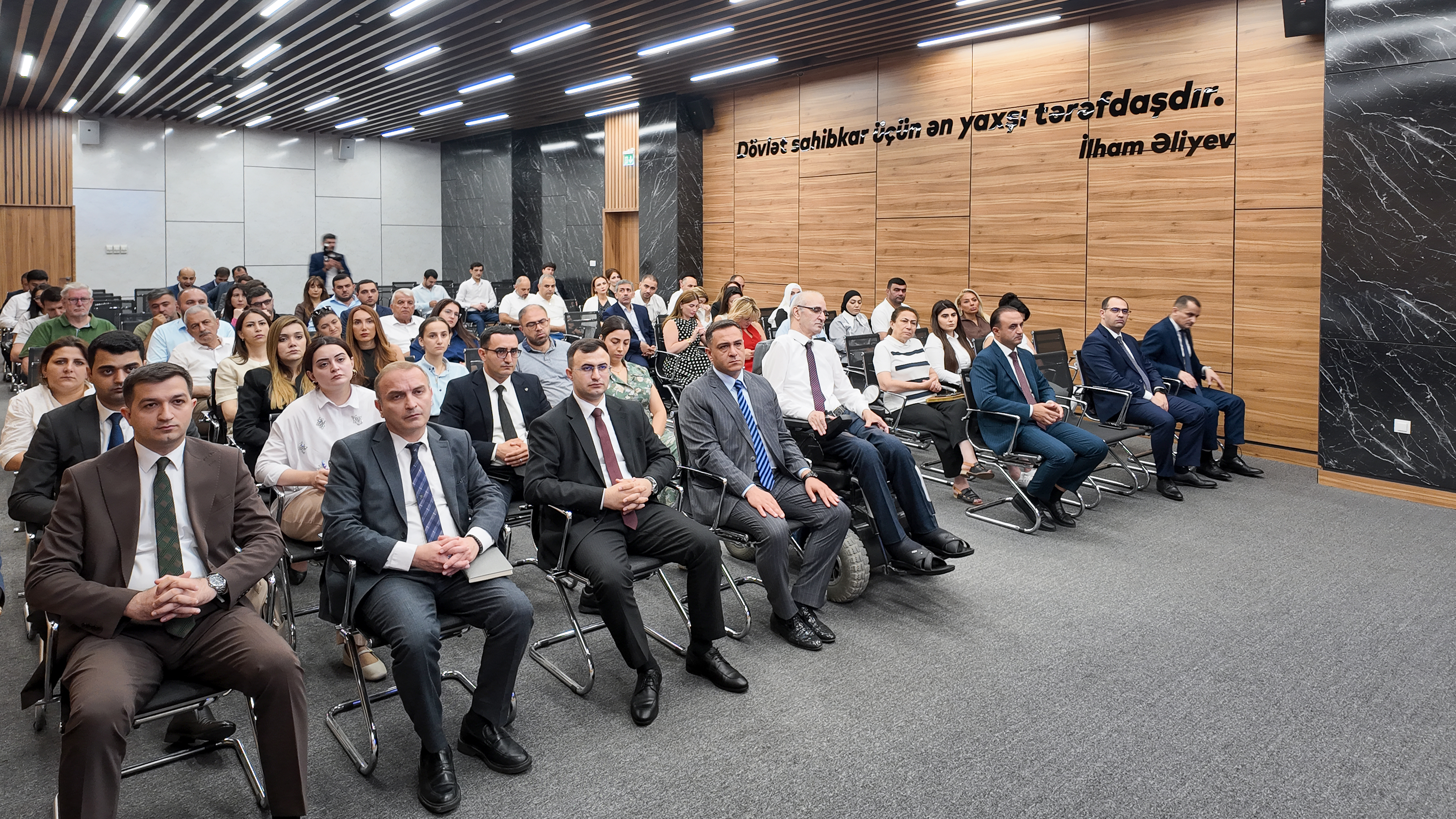
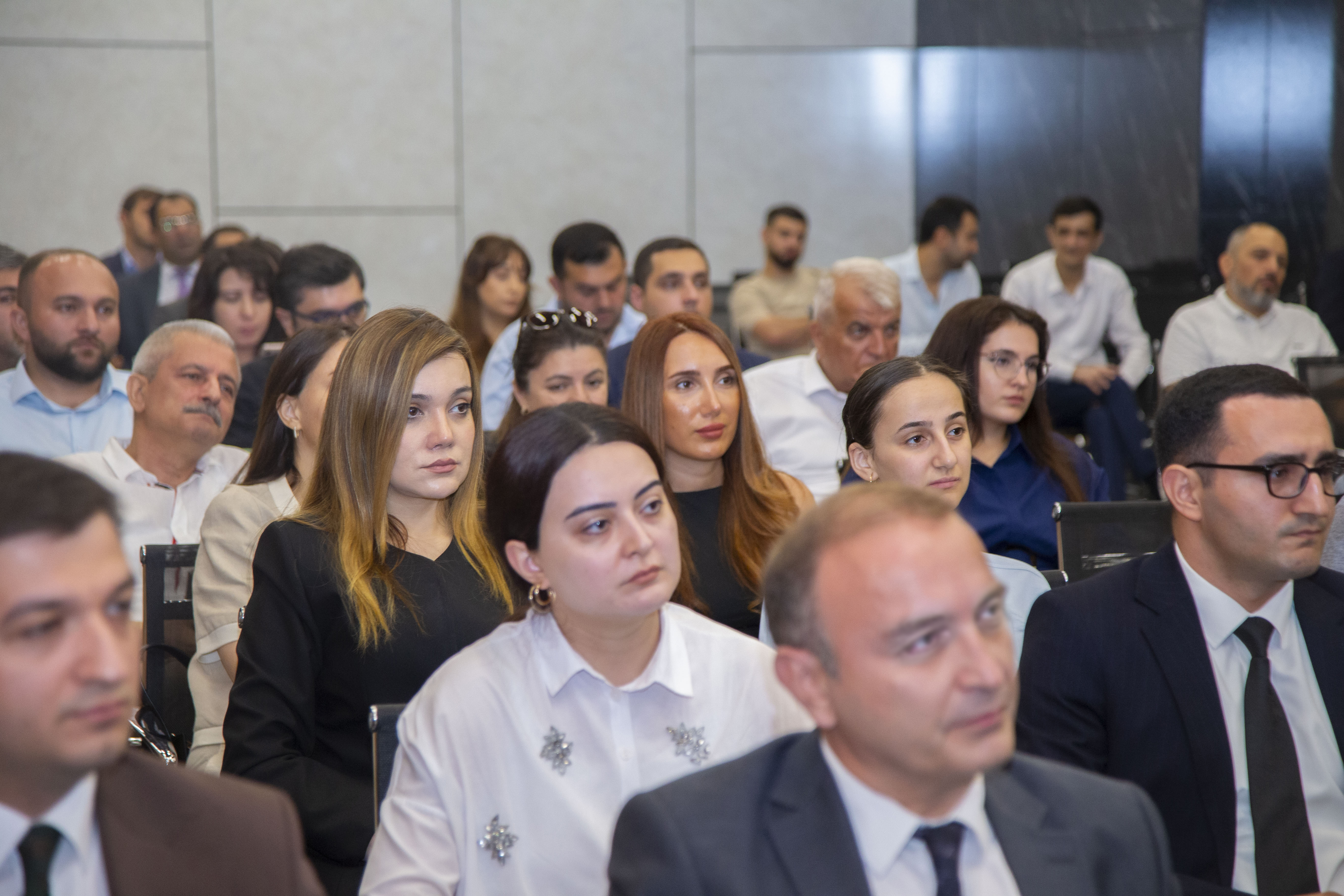
Under the organisation of the Small and Medium Business Development Agency (KOBİA), a meeting was convened with SMBs at the “Baku SME House” as part of the “DOST Müfəttiş” (DOST Inspector) project, jointly implemented by the State Labour Inspection Service and the National Observatory on Labour Market and Social Protection Affairs under the Ministry of Labour and Social Protection of the Population.
The event, aimed at educating small and medium‑sized enterprises in matters of labour legislation, occupational safety, and human‑resources management, while also listening to the challenges these businesses face and offering support, was attended by Elnur Safarli, Chairman of the Board of the National Observatory, Azer Rahimov, Deputy Head of the State Labour Inspection Service, and Samir Humbatov, First Deputy Chairman of the Board of KOBİA.
S. Humbatov emphasised the importance of the event in terms of strengthening cooperation between the public and private sectors. He noted that KOBİA places continuous focus on improving the legal literacy of entrepreneurs and reinforcing their social responsibilities, and the projects such as “DOST Inspector” serve precisely these goals.
E. Safarli provided participants with an overview of the project, explaining that it offers technical and methodological support to address difficulties encountered during the transition of employment contracts into electronic form within the “Labour and Employment” subsystem (ƏMAS). He added that, through the project, the human‑resources practices of participating enterprises have been assessed, and tailored training and consultations have been delivered.
Touching on the significance of collaborating with KOBİA, E. Safarli remarked that small and medium‑sized entrepreneurs are the driving force behind a flexible labour market, and assured that support will also be extended to new enterprises joining the project.
A. Rahimov underlined that the regulation of labour relations and the protection of workers’ rights are among the State Labour Inspection Service’s primary priorities. He spoke of the project’s value as an effective communication channel between the Service and employers, its preventive and methodological role in averting breaches of labour legislation, and its positive impact on fostering a culture of self‑evaluation among employers.
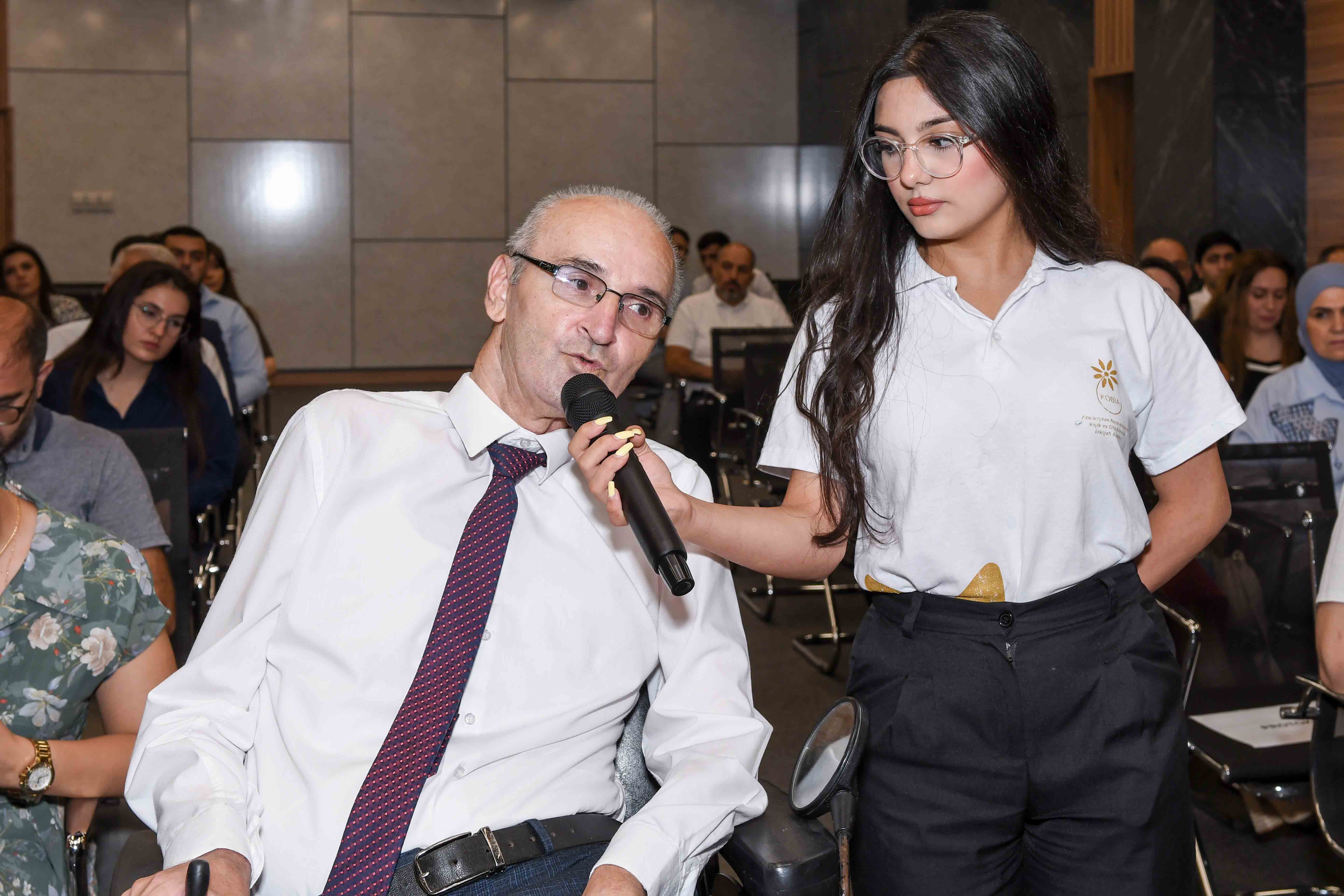
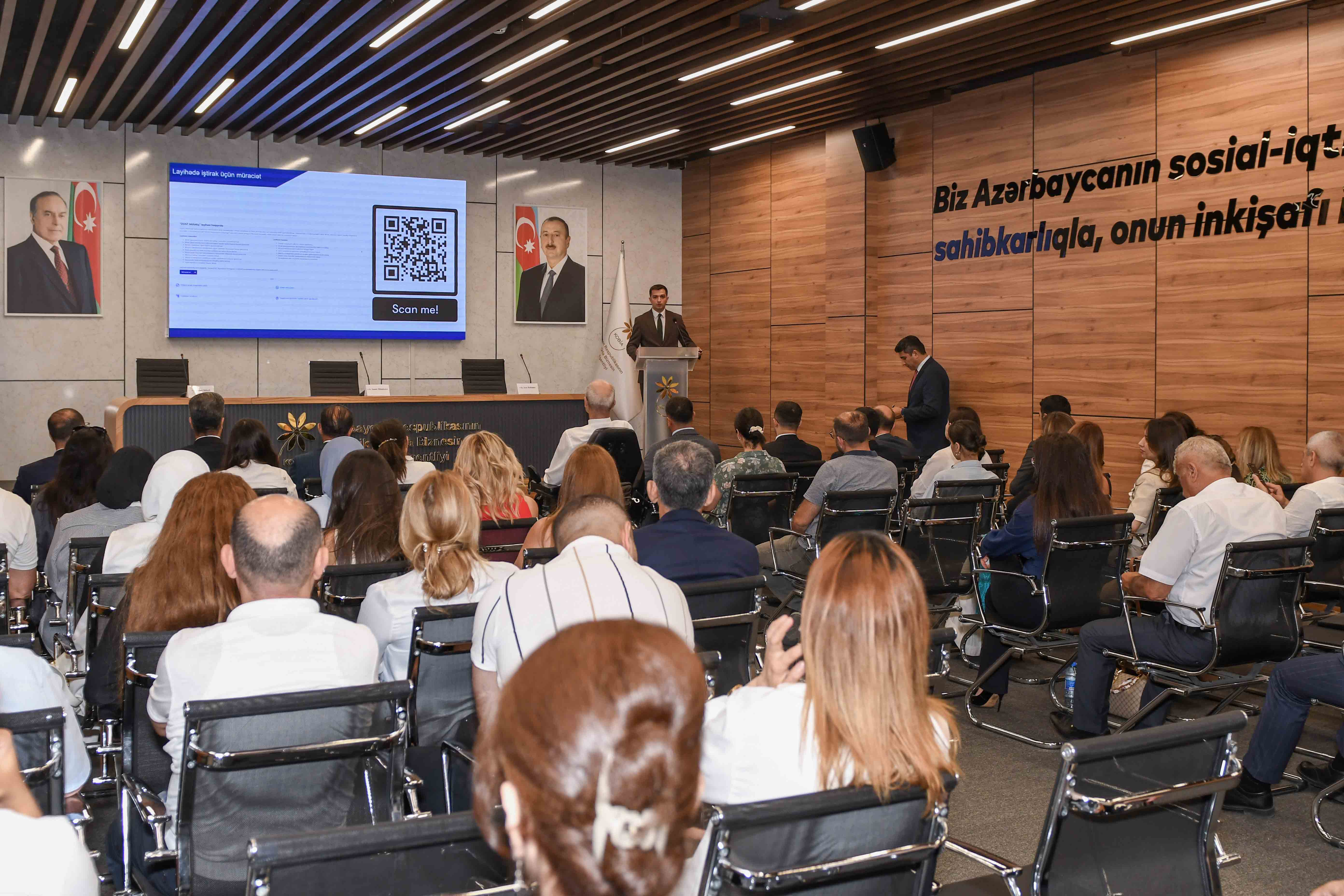
The meeting concluded with a presentation inviting entrepreneurs to participate in the project, and questions related to labour legislation were answered.